

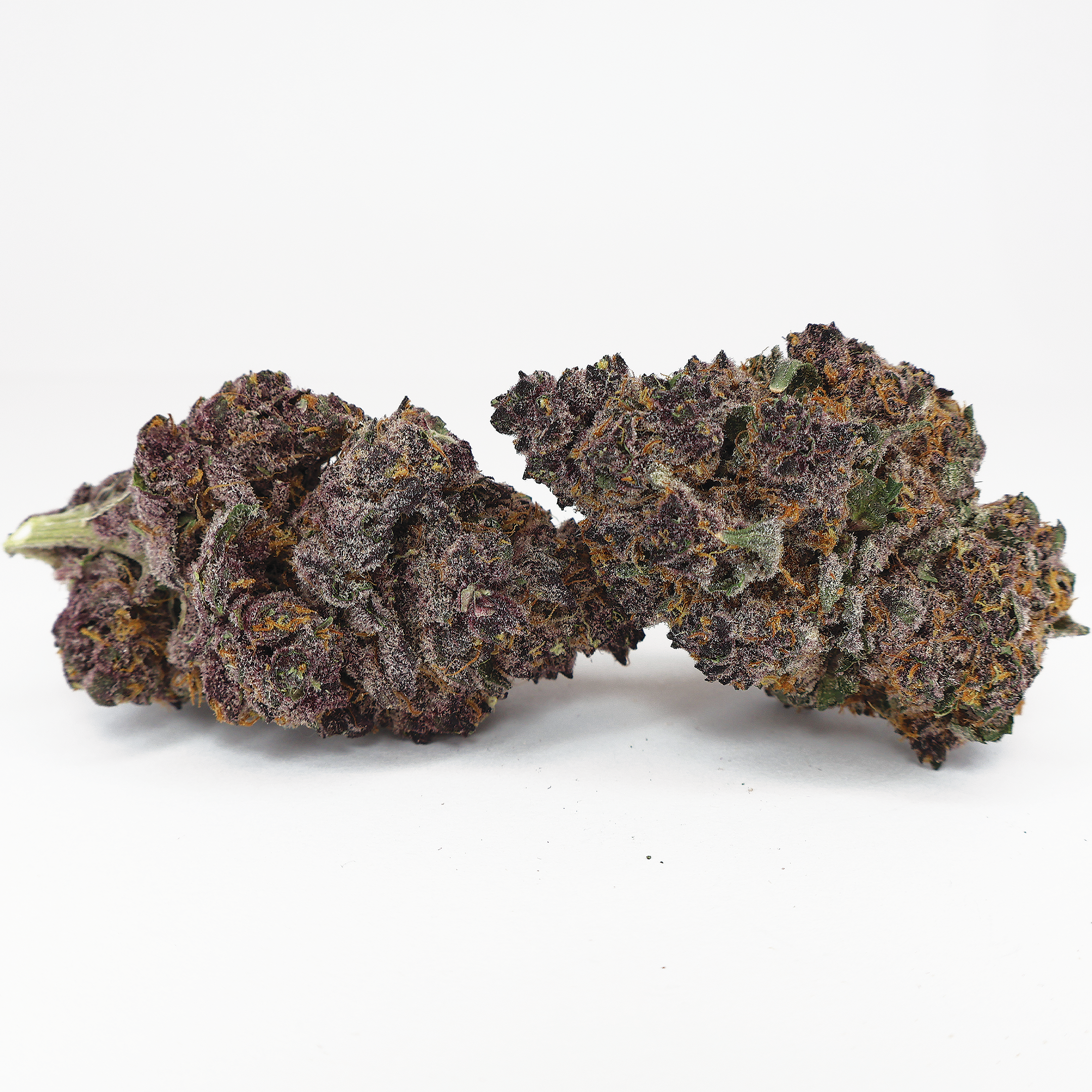
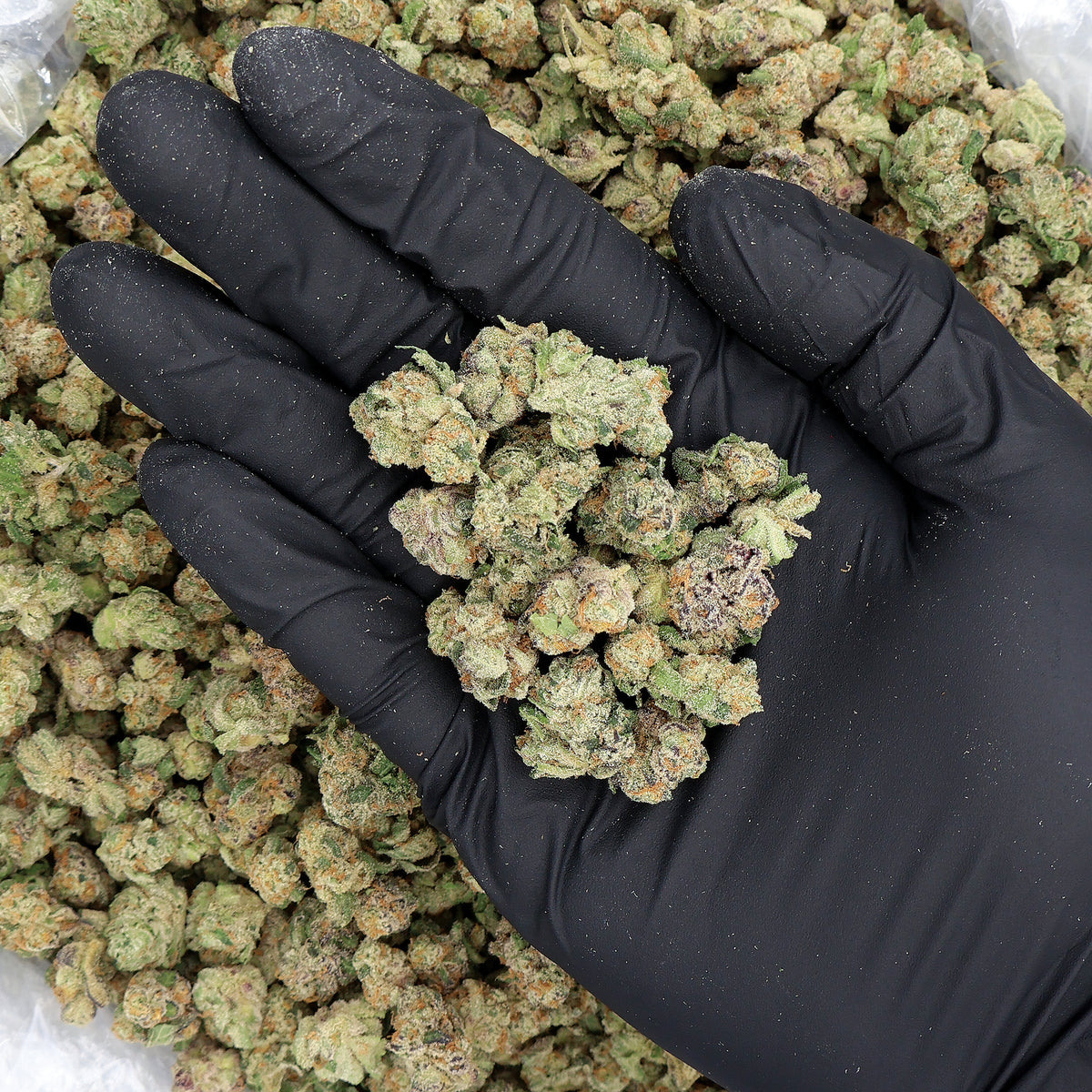
THCa does not do much on its own. It has to be heated first. Here is the temperature where that happens, and what it means for flower and concentrates.
The short answer
THCa turns into THC when it is heated. This change is called decarboxylation, or "decarbing."
In a lab study, scientists heated THCa between about 175°F and 295°F (80°C to 145°C) for up to an hour. The hotter it got, the faster THCa turned into THC. By about 320°F (160°C) the change was complete.
Why raw THCa is different
Raw THCa, straight from the flower or the jar, has not been heated yet. It has to be heated before it acts like THC.
For more on how the two compare, read THCa vs THC: What's the Difference?
Smoking, vaping and dabbing
A lighter, a joint or a hot dab surface is far hotter than 320°F. So when you smoke, vape or dab THCa, the heat changes it to THC right away. There is no extra step.
That goes for all of these:
- THCa flower, in a bowl, joint or blunt
- THCa concentrates, like crumble, badder, rosin and sugar diamonds
- THCa pre-rolls, which come ready to light. Read THCa Infused Pre-Rolls Explained
Can it get too hot?
Yes. In the same study, very high heat (about 320°F to 355°F, or 160°C to 180°C) started breaking THC down into other compounds, like CBN.
Does higher THCa mean more THC?
Yes. The more THCa a product has, the more THC it can turn into once heated. That is why lab numbers matter. Our flower runs around 27% to 32% THCa and our concentrates around 75% to 95%.
See the full breakdown in What Is a Good THCa Percentage?
FAQ
What temperature does THCa activate?
THCa starts turning into THC with heat. In lab testing it converted between about 175°F and 295°F, faster at higher heat, and fully by about 320°F.
Do I need to decarb THCa flower to smoke it?
No. Smoking, vaping and dabbing heat it far past that point, so it converts on its own.
Does raw THCa work without heat?
No. It has to be heated first.
Can you overheat THCa?
Very high heat starts breaking THC down into other compounds, like CBN.
These statements have not been evaluated by the FDA. This product is not intended to diagnose, treat, cure or prevent any disease. Products are for adults 21 and over.
Source: Wang M. et al., "Decarboxylation Study of Acidic Cannabinoids," 2016. Read the study
Share:
What Is THCa Crumble? A Simple Guide
How to Use THCa Sugar Diamonds